

// Protect Your View
Aircraft Window Restoration Service in Horseshoe Bay, TX
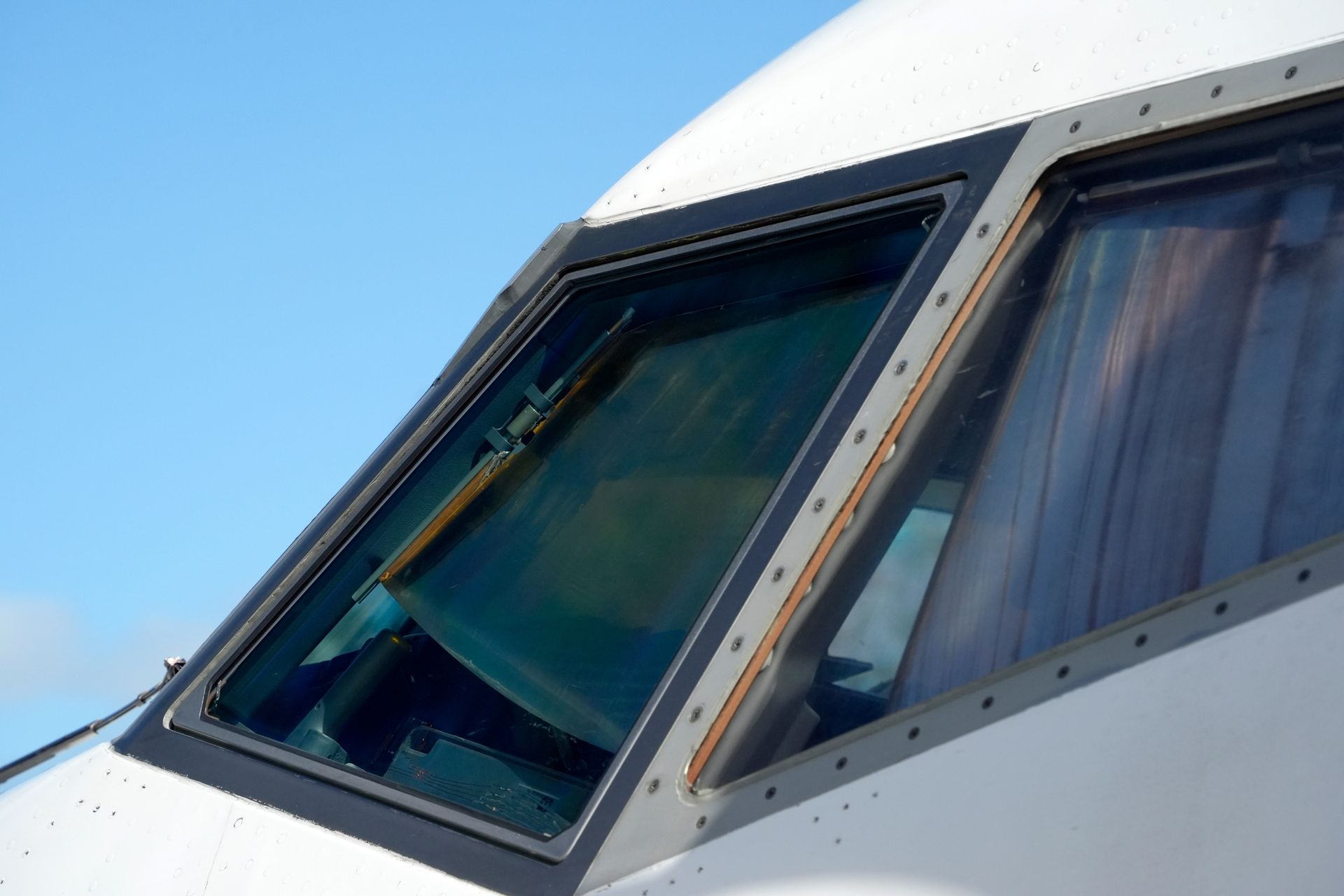
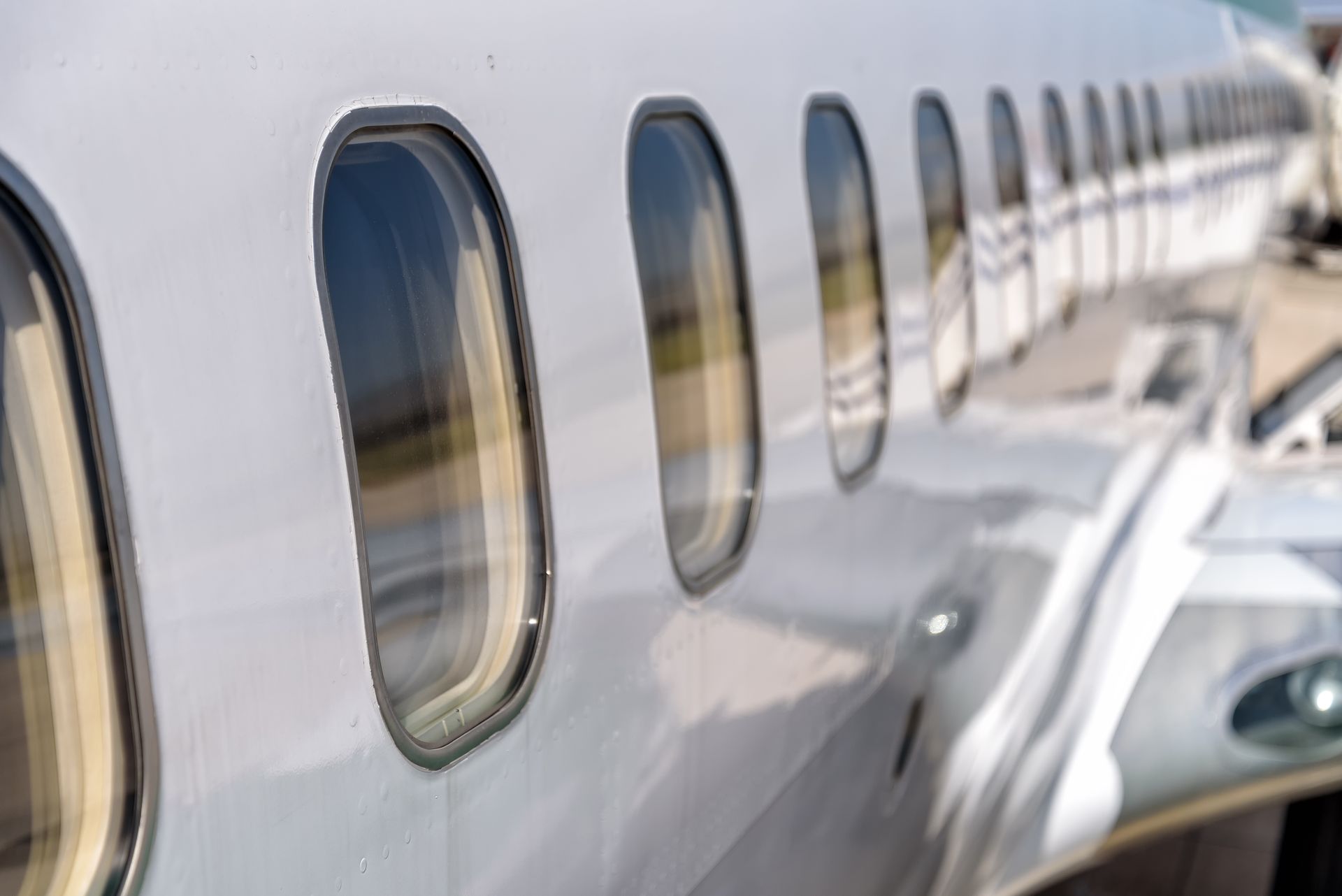
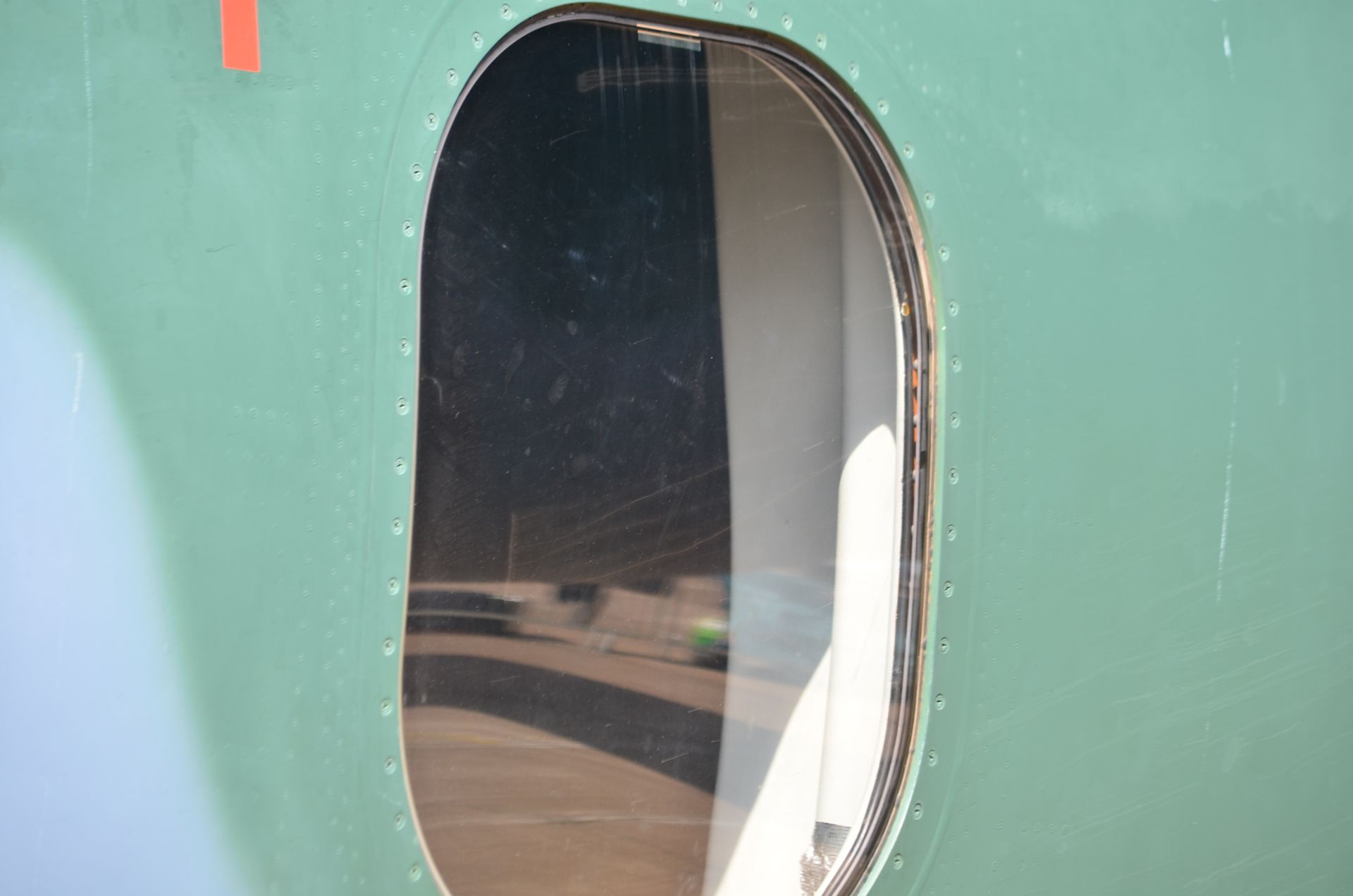
Royal Clean Aviation offers aircraft window restoration in Horseshoe Bay, TX, helping restore clarity on non-pressurized acrylic and polycarbonate aircraft windows with a careful multi-step refinement process.

// Honest, Professional Recommendations
Central Texas AIRCRAFT Window Restoration and POLISHING
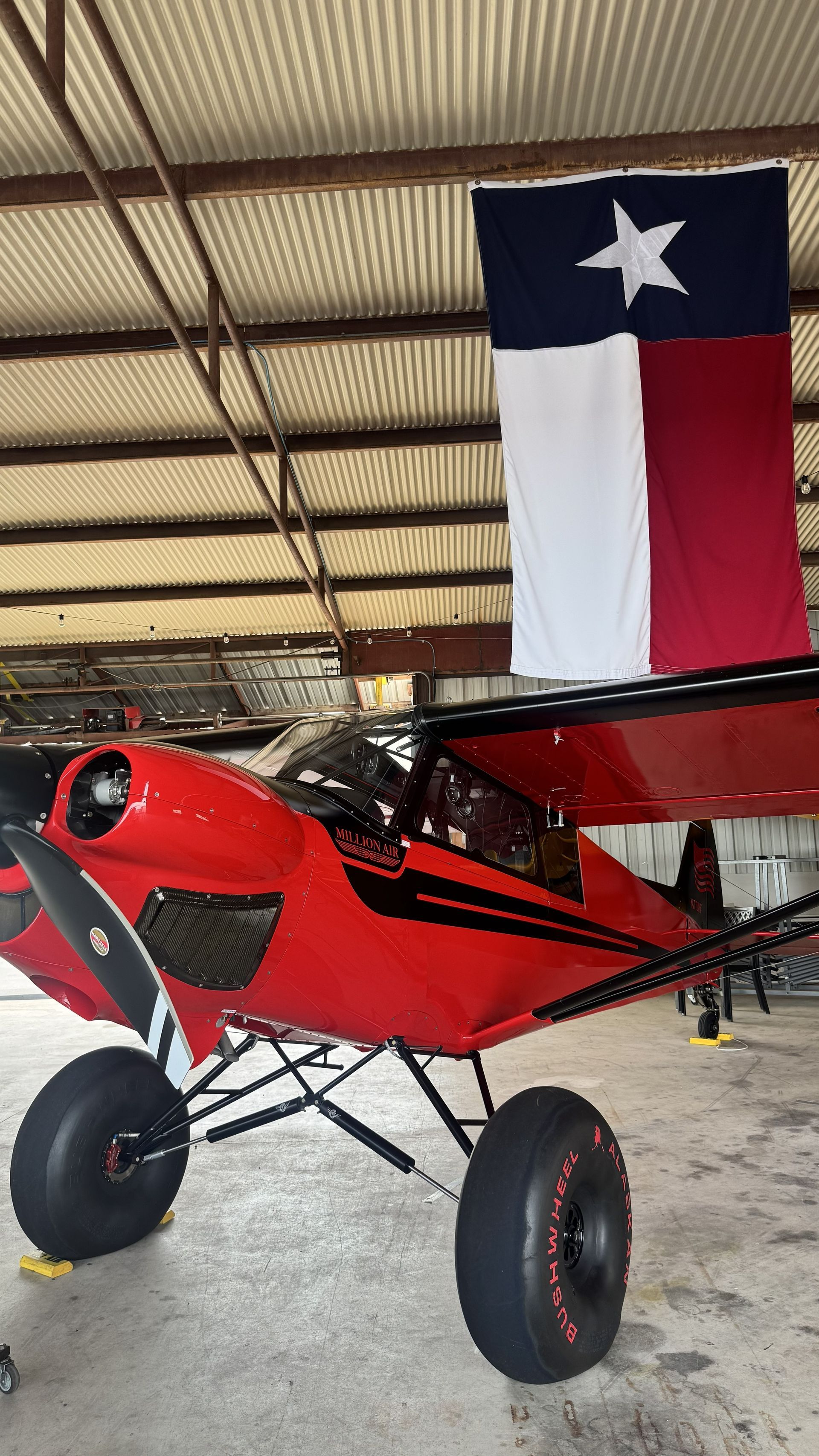
Royal Clean Aviation provides aircraft window restoration in Horseshoe Bay, TX for non-pressurized acrylic and polycarbonate windows on turboprops, light jets, midsize jets, and aircraft like King Air and CJ series models.
We correct oxidation, hazing, swirl marks, UV damage, and light-to-moderate scratching with a careful multi-step refinement process built around clarity and long-term protection.
If restoration makes sense, it can help improve visibility and save serious money compared to full replacement. If the damage is too deep, we’ll tell you straight and recommend replacement instead.

// ROYAL CLEAN PRICING
Aircraft Window Restoration Package
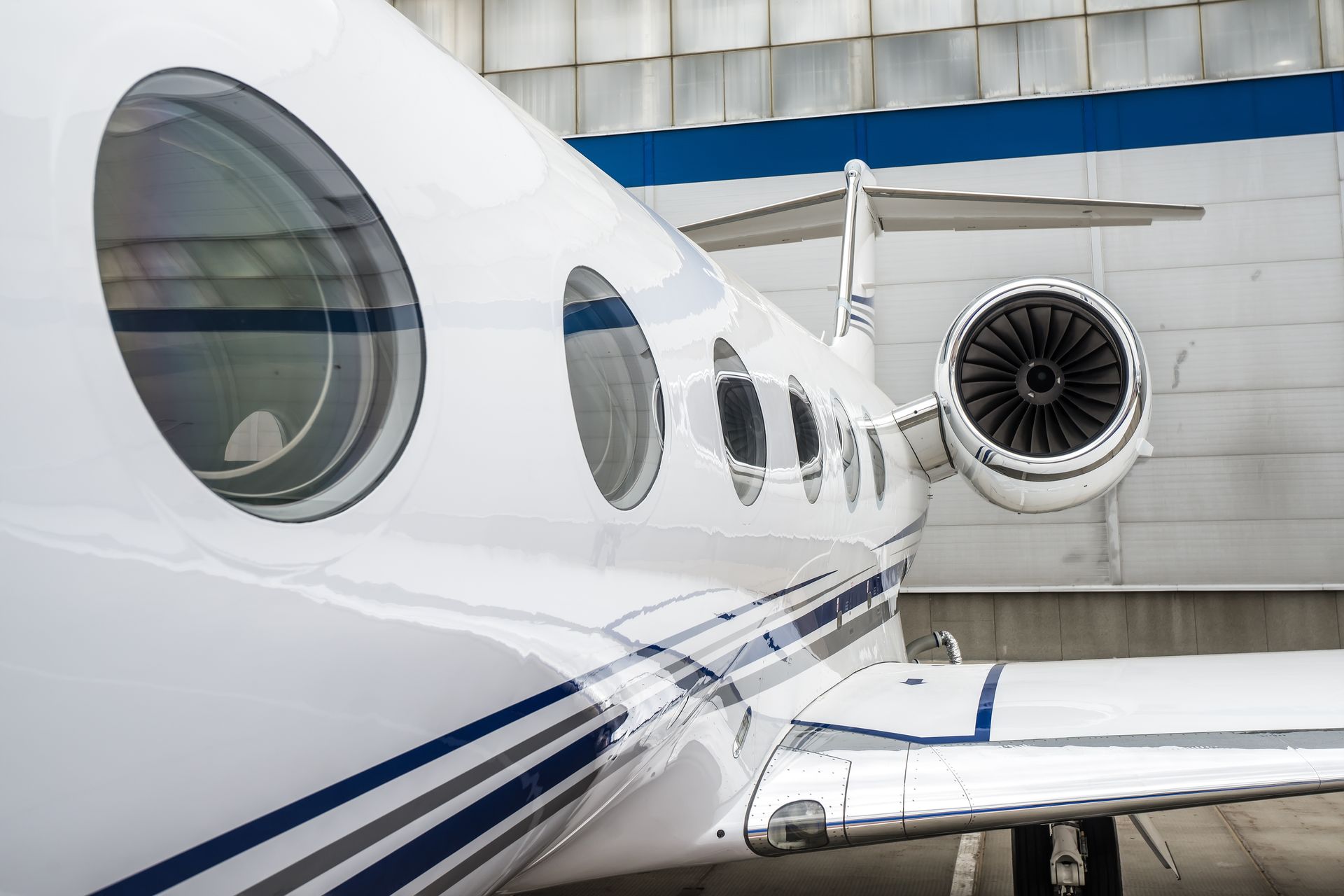
Aircraft Window Restoration
TURNAROUND: 2-3 Days
THIS PACKAGE INCLUDES:
● Non-pressurized acrylic and polycarbonate aircraft window restoration
● Surface assessment and thickness evaluation
● Oxidation and hazing correction
● Light-to-moderate scratch and swirl mark correction
● Progressive sanding when needed
● Multi-stage machine polishing
● Final clarity enhancement and protection
● Mobile or scheduled hangar-based service available
● Detailed service documentation available upon request
// Keep Your Vision Clear
How AIRCRAFT Window Restoration Protects Your View
Why Aircraft Windows Get Cloudy
Aircraft windows are usually made from acrylic or polycarbonate, not standard glass. Those materials are strong, lightweight, and built for aviation, but their surfaces can still break down over time. UV rays, heat, dust, washing, bugs, and airflow all slowly rough up the outer layer. Once that surface becomes uneven, light scatters instead of passing through cleanly. That’s when you start seeing haze, oxidation, swirl marks, and that foggy look that makes visibility and presentation feel a little less premium.
Light Scattering Is the Real Villain
Clear windows work because light passes through them in a clean, organized way. Damaged windows don’t play nice. Tiny scratches, oxidation, and surface defects bend and scatter light in different directions. That’s what creates glare, haze, and blurry visibility. It’s the same reason a scratched phone screen looks worse in bright sun. Aircraft window restoration helps smooth the surface again, so light can move through with less distortion and more clarity.
Sanding Removes the Damaged Layer
When defects are more noticeable, progressive sanding may be needed. That sounds aggressive, but it’s actually very controlled. We’re not hacking away at the window. We’re carefully leveling the damaged outer layer with a step-by-step process. Each sanding stage uses a finer abrasive than the last. Think of it like turning a gravel road into smooth pavement. The goal is to remove oxidation, haze, and light-to-moderate scratches without compromising the integrity of the window.
Polishing Refines the Surface
After sanding, the window may look smoother, but it still needs refinement. That’s where multi-stage machine polishing comes in. Polishing uses finer and finer compounds to remove microscopic sanding marks and bring back optical clarity. At a tiny level, we’re reducing surface roughness so the window reflects and transmits light more cleanly. That’s the science behind the shine. It’s not just making the window look glossy. It’s helping the material behave more like a clear optical surface again.
Thickness Matters More Than Ego
Not every window should be restored. Before we start, the surface needs to be assessed, and thickness matters. Aircraft windows have limits, and removing too much material isn’t a good idea. If there are structural cracks, crazing, deep distortion, or damage that affects safety or visibility, restoration shouldn’t be forced. In those cases, replacement is the right call. Royal Clean Aviation takes that balance seriously, because clarity is great, but safety comes first.
Protection Helps Clarity Last Longer
Once the window is restored, protection helps slow down the next round of damage. A protected surface is easier to clean and less inviting to dirt, UV exposure, and everyday contamination. It won’t make the window invincible, because physics is rude like that. But it does help preserve clarity and make maintenance easier. For aircraft owners in Horseshoe Bay, TX, that means better visibility, better presentation, and less haze creeping back before it should.
// AVIATION WINDOW RESTORATION DETAILS
Learn More About Window Restoration for Airplanes
What does aircraft window restoration fix?
Aircraft window restoration can help correct oxidation, hazing, swirl marks, UV degradation, and light-to-moderate scratching on acrylic and polycarbonate aircraft windows. The goal is to improve clarity, reduce visual distortion, and bring back a cleaner look. For aircraft owners in Horseshoe Bay, TX, it’s a smart way to improve visibility and presentation without jumping straight to replacement when restoration is still a good fit.
Are all aircraft windows eligible for restoration?
No, and that’s an important line to draw. Royal Clean Aviation restores non-pressurized aircraft windows only. If the window has structural cracks, crazing, deep distortion, or damage that could affect safety or visibility, replacement is the better path. We’ll assess the window first and give honest guidance, because forcing restoration on the wrong window doesn’t help anyone.
How does the aircraft window restoration process work?
The process starts with a surface assessment and thickness evaluation. From there, we may use progressive sanding if the defects call for it, followed by multi-stage machine polishing and final clarity enhancement. Each step is designed to refine the surface, reduce haze, and improve how light passes through the window. It’s careful, controlled, and built around long-term clarity.
How long does aircraft window restoration take?
Typical turnaround is a few days, depending on the aircraft size, window condition, and overall scope of work. Some windows need more refinement than others, especially if there’s heavier oxidation, UV damage, or scratching. Royal Clean Aviation offers both mobile service and scheduled hangar-based work in Horseshoe Bay, TX and the surrounding Central Texas aviation community.
Is window restoration the same as an FAA-certified repair?
No. Royal Clean Aviation is not an FAA-certified repair station, and we do not issue FAA Form 8130s. This service is focused on cosmetic clarity improvement and surface refinement for eligible non-pressurized aircraft windows. All work is performed according to industry best practices, and detailed service documentation can be provided upon request for owner or operator records.
